

Strike Overview
- Learn how to run influencer ads in 2026 with a step-by-step approach, from recruiting and contracting creators to technical setup, ad launch, and performance measurement.
- Discover platform-specific strategies for social media influencer ads across Meta (Instagram & Facebook), TikTok, and YouTube, and identify which platforms align best with your campaign goals.
- Explore the key 2026 influencer advertising trends and gain the insights needed to plan and launch your campaigns confidently before the year ends.
Jump to Section
How to Run Influencer Ads that Perform in 2026
Running high-performance influencer ads has now become the foundation of any brand’s paid media strategy. Data shows that 75% of brands currently invest in influencer marketing, and 80% expect to grow those budgets further by 2026, reinforcing its role as a long-term growth driver.
For many brands, they are still playing the long game: sending a product to a creator, getting them to post, and crossing their fingers that the algorithm does its job. However, with organic reach becoming increasingly challenging across every major platform, that approach no longer suffices. In 2026, the brands capturing market share are those that treat creators as media partners, not just content generators.
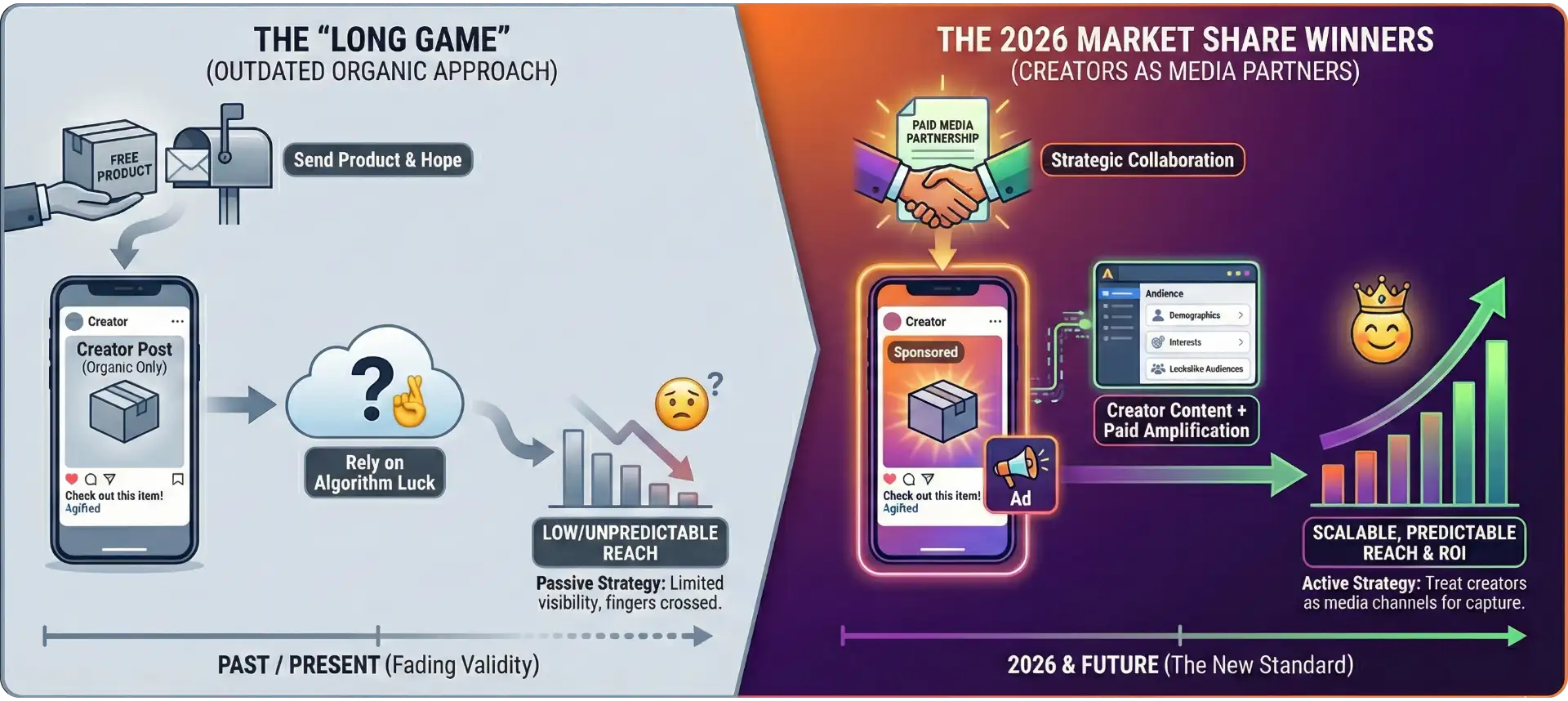
Here’s the key difference: influencer marketing focuses on relationships and organic awareness. Influencer advertising is a performance channel where you acquire creator content and run it as paid media along with their handle. If you’re looking for efficiency in terms of views and clicks, this distinction matters.
Once you have built the foundation for your influencer marketing strategy, you’re ready to run and launch. Here’s how to approach the strategies, budgets, and trends influencing the creator economy in 2026.
Why 2026 is the Year of Influencer Ad Performance
Lucy Robertson, global head of creator marketing at Buttermilk, predicts that 2026 will be the year brands fully connect with creators for “early-stage insight, shaping products, positioning, and creative direction.” With their authentic reach and audience engagement, creators should be at the heart of any brand’s influencer ads strategy this year.
If your brand hasn’t started running social media influencer ads yet, 2026 is the perfect time. The biggest shift isn’t just who’s creating content; it’s where the money is going.
The Shift in Creative Spend
According to Kolsquare, influencer marketing budgets are expected to increase by 30–50% in the coming fiscal year. Brands are shifting away from polished, TV-style campaigns and redirecting their spend toward creator-led ad content that feels native to the platform.
Why this shift? Social media influencer ads resonate more with audiences. Studies show that 69% of consumers trust influencer recommendations more than traditional brand ads. Beyond trust, creator-led content also feeds the platform algorithms with content that performs naturally, improving paid media efficiency.
The Rise of Allowlisting
In 2026, “whitelisting” is being replaced by allowlisting: a strategy that gives advertisers access to a creator’s social handle, allowing brands to run influencer ads alongside the influencer’s profile, rather than solely as the brand.
This approach transforms paid influencer campaigns from vanity metrics into performance-driven, trust-centered advertising. By delivering your sales message through a creator’s voice, you bypass consumer skepticism and mental ad blockers. Authentic stories and real interactions build the kind of human signal that AI or traditional ads cannot replicate.
Rising Influencer Marketing Trends in 2026
While the shift to paid performance is the headline, specific market forces are dictating how those budgets are being deployed this year:
- Consumers are becoming increasingly savvy and cynical. 36.7% of marketers are now concerned about the lack of authenticity with AI-powered influencers (Source: Influencer Marketing Hub). As the market floods with AI-generated content and avatars, trust is becoming the most expensive commodity. This growing mistrust is a call to action for brands: you cannot automate human connection. In 2026, the brands that win will be those that acquire real influencers who can generate genuine interactions and unscripted reactions: the kind of “human signal” AI cannot yet replicate.
- 24.9% of marketers have shifted budgets from macro/mega influencers to micro/nano influencers (Source: Influencer Marketing Hub). With macro and mega influencers commanding fees of $10,000 to $ 20,000 or more per post, the cost is simply too high. By pivoting to micro and nano influencers, you can secure multiple videos and collaborations for the same rate. This allows for a larger scale of creative testing. For instance, running 10 different affordable ads to find the one winner, rather than betting the odds on one expensive guess.
- Following the volatility earlier this year, we observed a significant shift: YouTube usage increased by 41.1%, while TikTok usage decreased by 12.3% (Source: Influencer Marketing Hub). This shift was largely driven by the uncertainty surrounding the potential TikTok ban, which came to a head on January 19, 2025, before service was restored less than 24 hours later. Even though the dust has settled, that volatility spooked advertisers. This resulting surge demonstrates that influencer ads on YouTube are becoming a haven for brands seeking consistent, long-term audience growth without the geopolitical risks.
Choosing Your Influencer Ad Platform
Not all influencer advertising platforms operate the same way, even if your overall campaign approach is similar. Each platform offers unique ad formats, audience behaviors, and campaign objectives; therefore, your influencer ad strategy must be tailored accordingly.
Meta (Instagram & Facebook) – Partnership Ads
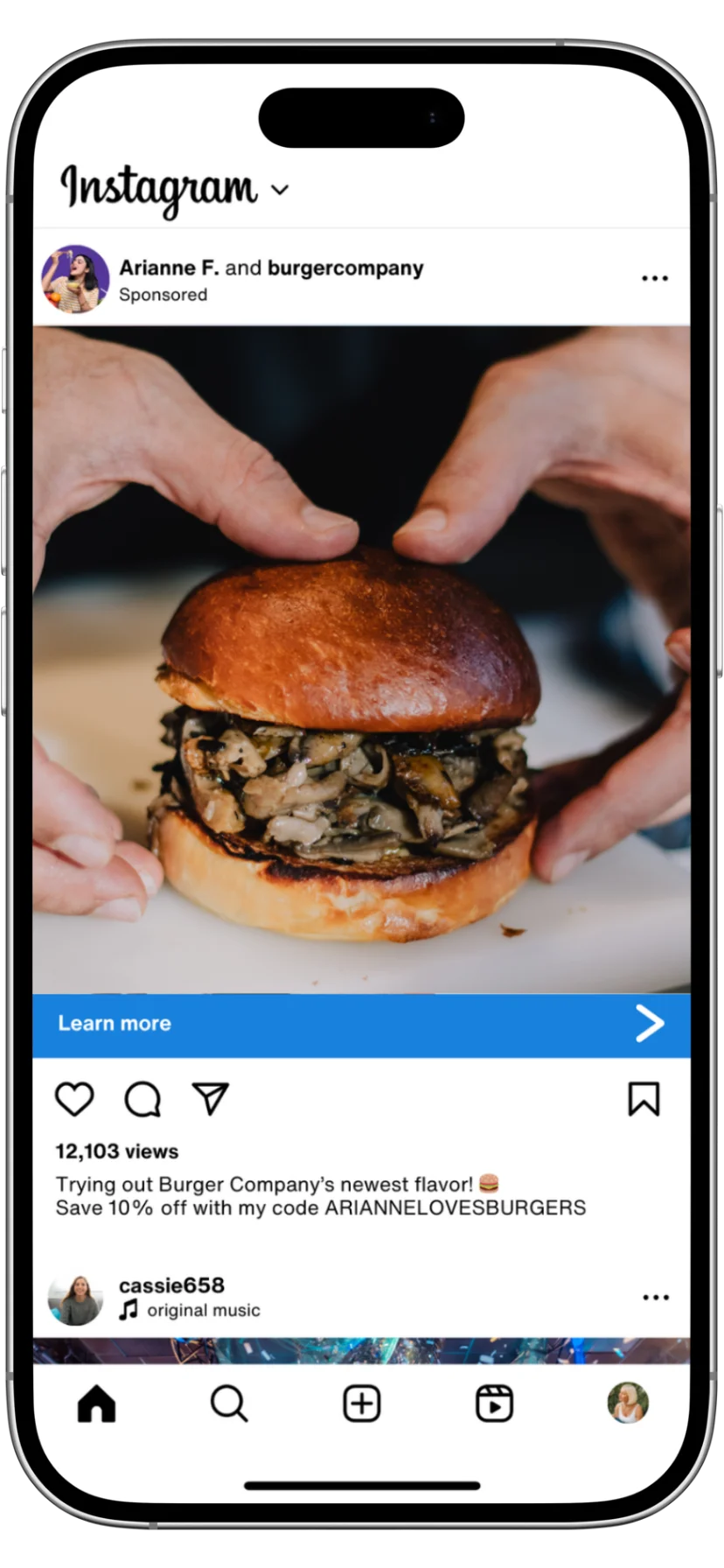
Influencer ads on Instagram and Facebook have evolved into what Meta refers to as “Partnership Ads” (formerly known as Branded Content Ads).
This format displays a “dual-header” at the top: Brand Name + Creator Name. It’s powerful because you get the creator’s authority while controlling the targeting, budget, and destination URL. Right now, it’s the standard for top-to-mid funnel conversion campaigns.
TikTok – Spark Ads
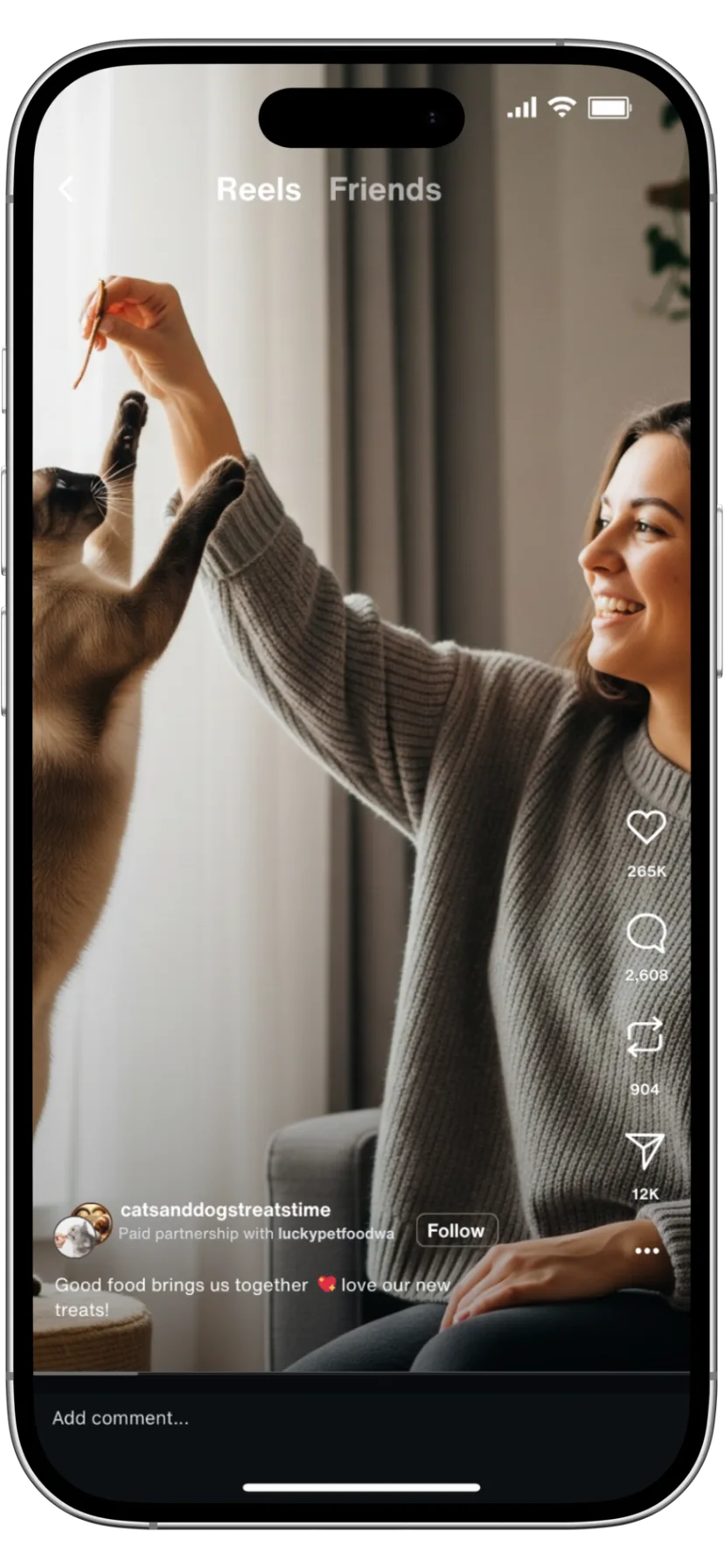
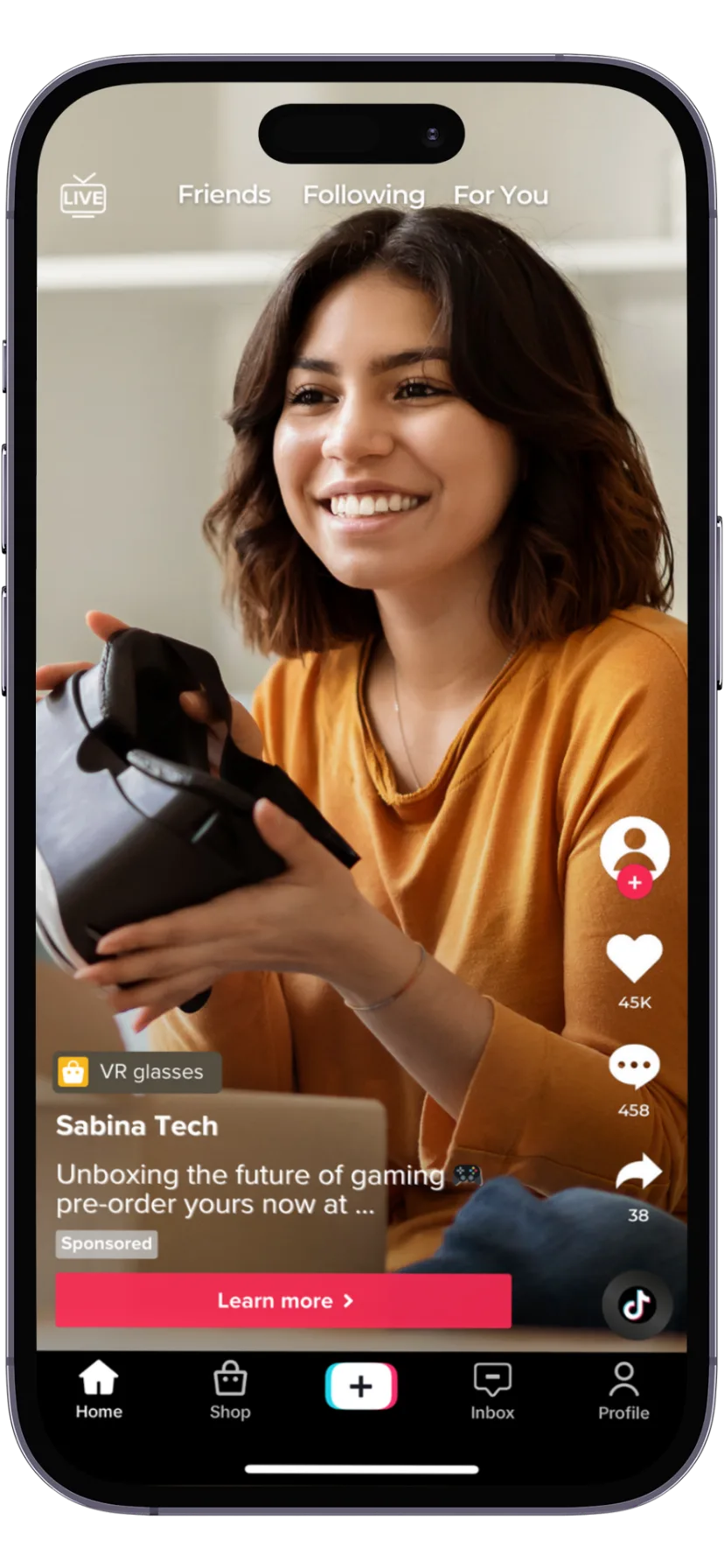
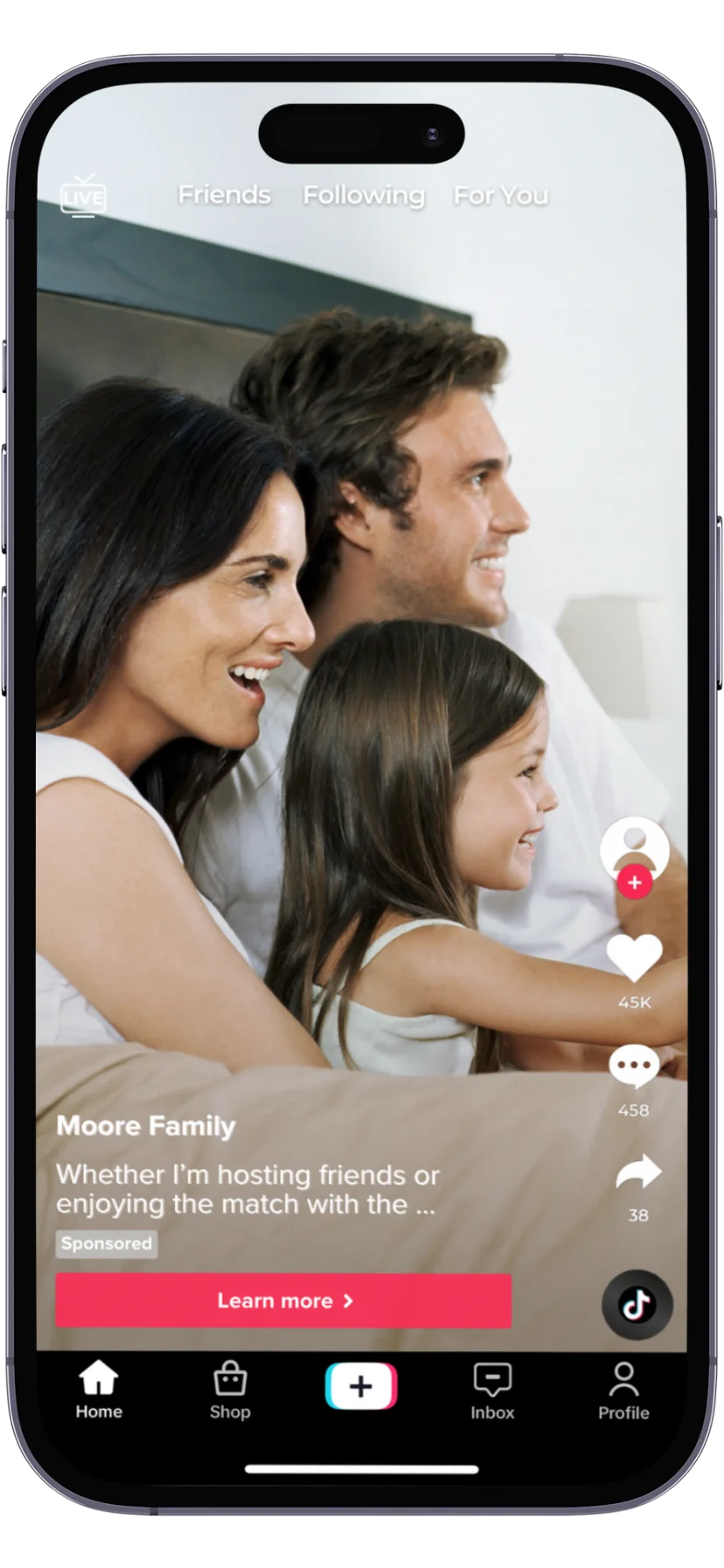
Success in TikTok influencer advertising relies on understanding Spark Ads. Unlike standard “dark posts” that exist only as ads, Spark Ads let you boost an influencer’s organic post directly from their account.
Here’s what makes this format special: all views, likes, and shares from the ad attribution flow back to the original post, boosting the creator’s organic status. When searching for the best influencers to promote a product on TikTok, prioritize creators who specialize in creating authentic videos.
Another way to examine this is to consider yellow basket earnings, particularly for e-commerce brands, when linking their content to your TikTok Shop.
YouTube – Paid Promotions and Shorts Ads
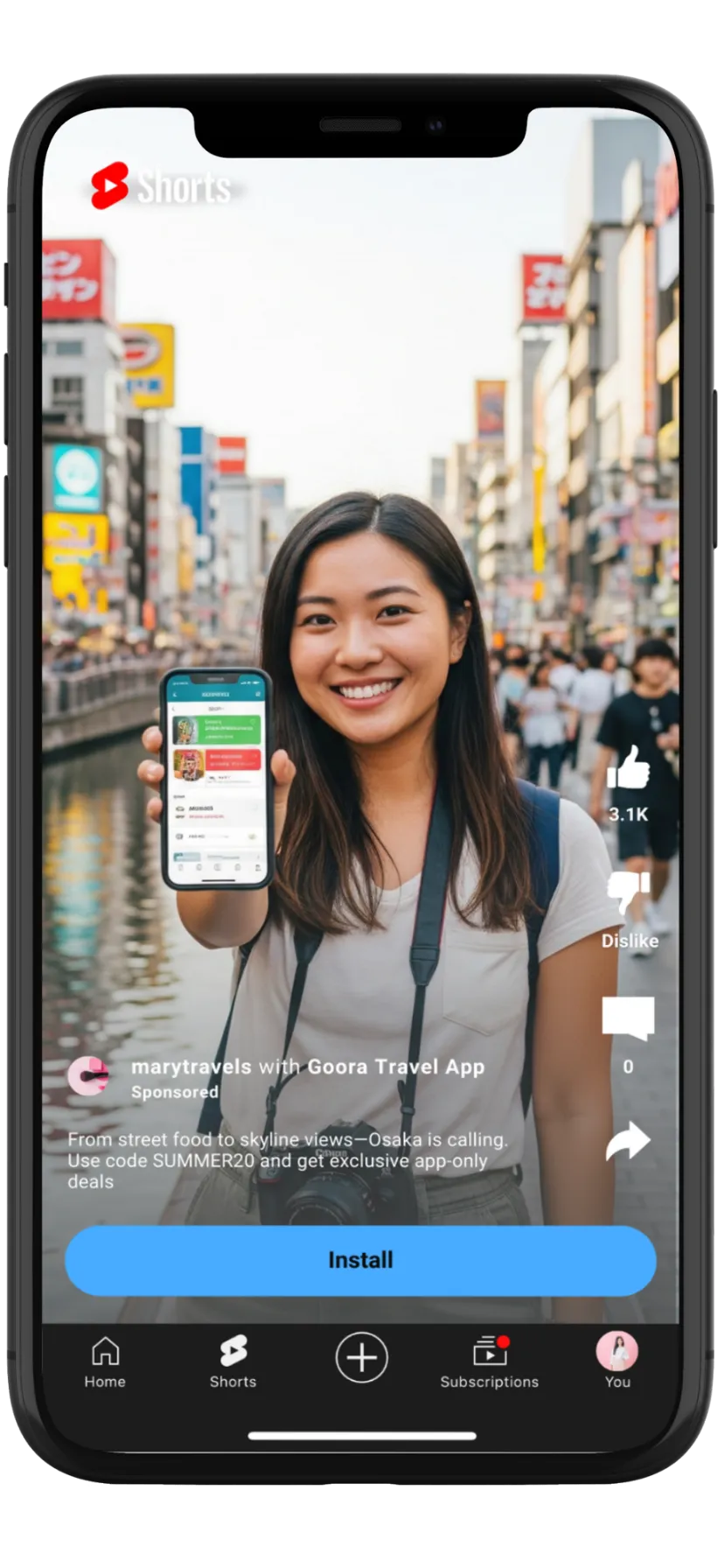
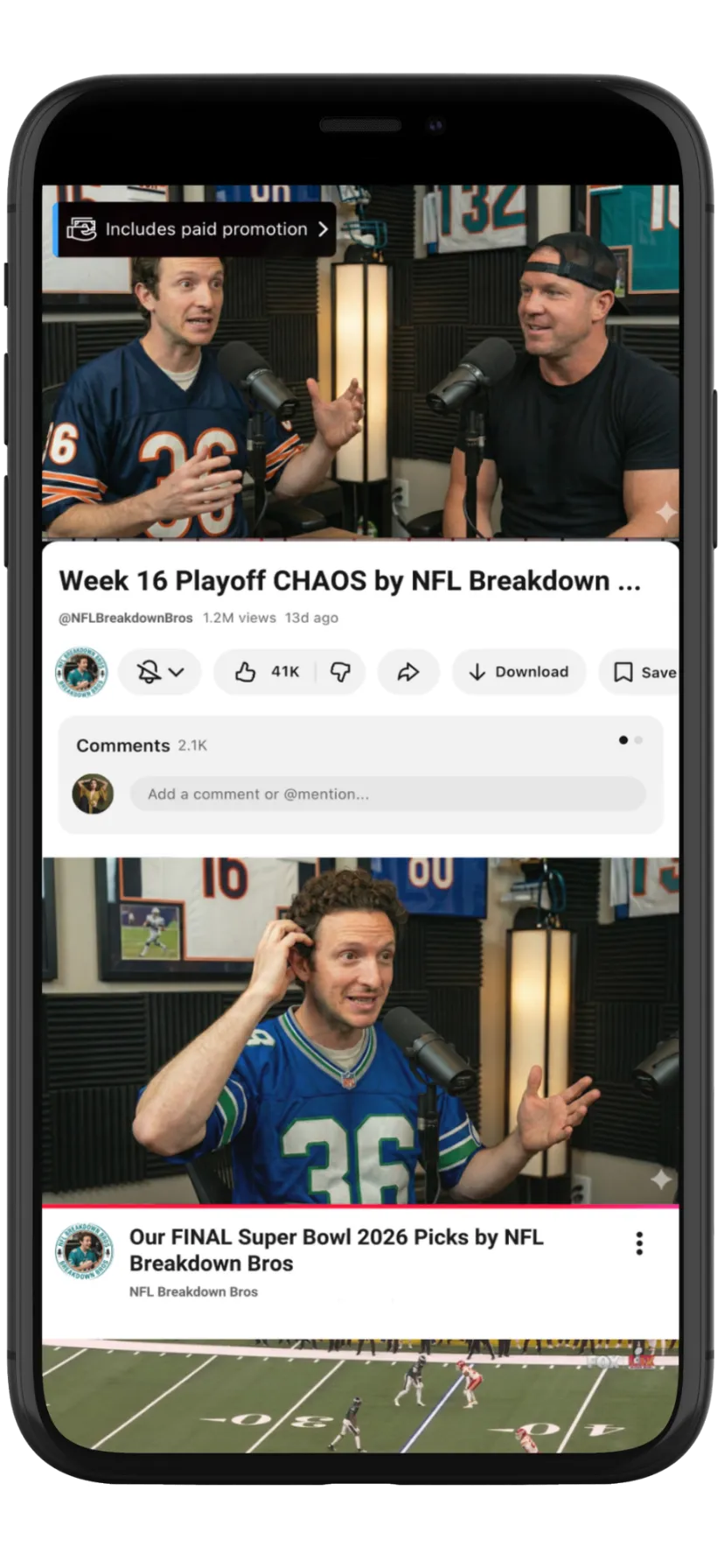
YouTube influencer advertising often gets overlooked, but it provides access to high-intent audiences. Beyond standard YouTube ads, brands can work directly with creators through paid promotions and Shorts ads.
The advantage of YouTube influencer ads is targeting deep, niche communities that creators have built. These audiences trust long-form reviews and in-depth content, often resulting in higher Lifetime Value (LTV) conversions.Learning how to set up YouTube influencer advertising campaigns, particularly using Shorts or In-Feed videos that align with an influencer’s subscriber base, can unlock new audiences that maximize the reach of your influencer ads strategy.
Step-by-Step: How to Run Influencer Ads
Now that you know which influencer advertising platform fits your strategy, it’s time to move from concept to execution. Running high-performance influencer ads requires a structured workflow. Here’s a step-by-step guide to launching and optimizing influencer campaigns in 2026.
Step 1: Recruitment and Contracting
How do you find influencers to promote your product? Finding them is easy; securing the right terms is the challenge.
When recruiting influencers in advertising, all usage rights must be clearly negotiated before signing any contract. Your agreement should explicitly state that the brand has the right to whitelist, boost, or allowlist the content for paid advertising purposes for a defined period (e.g., 30, 60, or 90 days).
If you are sending products to influencers, confirm delivery, expectations, and timelines upfront. Clear contracts protect your campaign performance and ensure that your influencer’s content can be easily accessed for running paid ads.
Step 2: Technical Setup (Allowlisting)
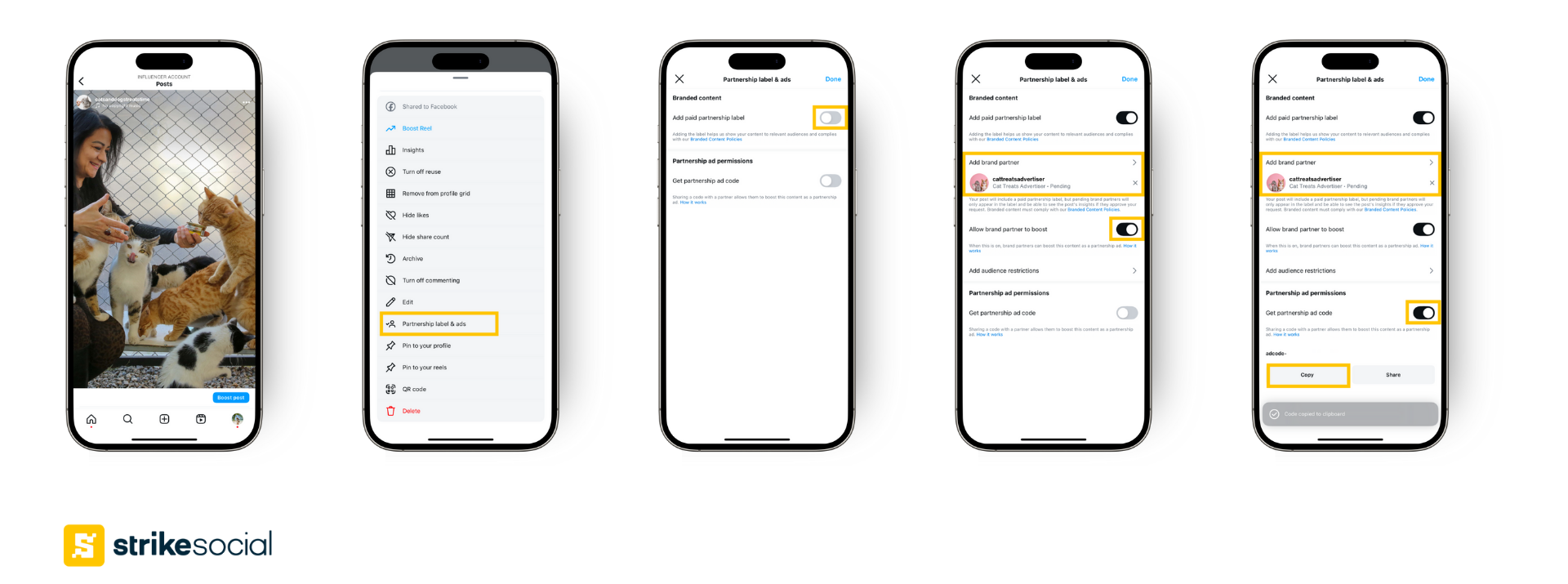
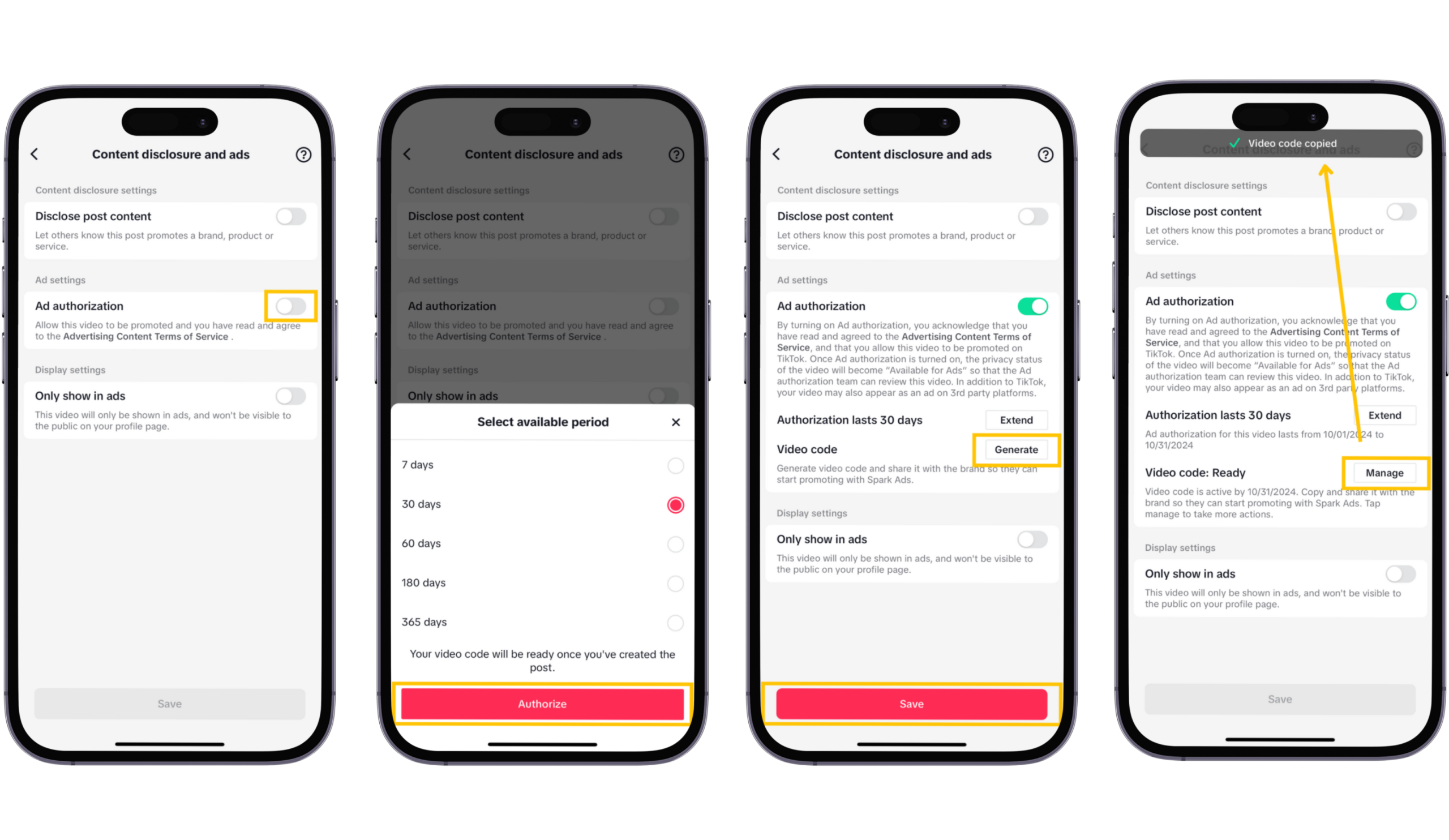
Advertising through influencers requires proper backend linking. The approval must be clearly set from both your side (the brand or the agency) and the influencer’s side.
Meta: The creator must tag you as a Brand Partner, and you must accept the request in your Brand settings.
TikTok: The creator must generate a distinct ad authorization code for the specific video and share it with you to input into your influencer advertising platform or ad manager.
Understanding how to run influencer ads technically is just as important as the creative itself. If the accounts aren’t linked properly, you lose the ability to track attribution.
Step 3: Ad Launch and A/B Testing
Once the technical setup is complete, collaborate with your creators to bring your campaign to life. Here are some key tactics for running influencer campaigns effectively:
- Don’t put all your budget on a single video. Use the “Sandbox Strategy”: test multiple hooks, angles, and formats. For example, for a product launch, one influencer might highlight price, another utility, and another aesthetics.
- Focus on your target audience. Ensure all influencers’ content aligns with your desired demographic. Avoid partnering with creators who have large but irrelevant audiences.
- Systematic execution matters. Since the creative originates outside your brand, media buying expertise is critical once the partnership content is live and the campaign transitions into paid advertising.
Step 4: Measuring Success
Take a step back now and see how your influencer ads performed. When you run influencer ads in 2026, there’s much more to improve and behavior to analyze as a new year and a new era commences. As such, be ready to see both highs and lows in results.
For instance, your Facebook ROAS may yield impressive results, but compared to your marketing spend (i.e., the cost of acquiring and partnering with influencers), it may be lower.To properly measure the ROI of influencer ads, consider the MER (Marketing Efficiency Ratio). This measures total revenue divided by total ad spend. When you scale social media influencer ads, you should see your overall MER improve, even if the platform-reported ROAS looks flat. Here’s how you can compute it:
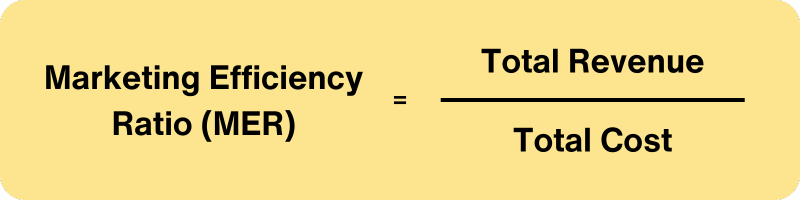
- Total Revenue = This is the total revenue or sales acquired (if e-commerce focused) from the campaign. For instance, if you run influencer ads to boost sales of a particular product during Christmas, account for the revenue generated from the product sales from the campaign launch to its duration.
- Total Cost = Factor in campaign budgets, influencer fees, and additional costs, such as PR kits or product samples.
Check your MER with the calculator provided and bookmark this page to monitor your influencer ads and spending properly, ensuring efficiency and effectiveness.
Marketing Efficiency Ratio (MER) Calculator
MER: 0.00
This calculation is an estimate and should be used as a baseline for planning purposes only. Actual results may vary.
FAQs: Your 2026 Influencer Ads Cheat Sheet
Organic posts live on the influencer's profile and reach their current followers. Influencer ads are paid placements where the brand invests money in content to reach millions of targeted users who don't follow the influencer. This approach provides scale, targeting control, and measurable performance that organic posts alone cannot achieve.
A general rule of thumb is to allocate 10%–20% of your social media advertising budget to the influencer partnership, with the remainder dedicated to paid distribution.
For example, if your total social media ad budget is $10,000:
• Allocate roughly $1,000 to the influencer.
• Use the remaining $9,000 for ad spend behind the content to maximize reach and optimize the algorithm.
Without a sufficient media budget, the platform’s algorithm may struggle to optimize performance, limiting the effectiveness of your influencer ads.
In 2026, transparency is essential. Simply adding #ad may not be enough to satisfy platform and consumer expectations. Always use native disclosure tools, such as Instagram’s “Paid Partnership” label, to clearly indicate the partnership.
Proper disclosure not only maintains audience trust but also ensures your influencer ads comply with advertising regulations while maximizing reach and engagement.
The Future is Influencer-Led
Advertising through influencers is proving to be one of the most effective ways for brands to increase efficiency, drive performance, and stay relevant in 2026. By shifting your approach from purely brand-focused campaigns to performance-driven, human-centered strategies, you can turn the creator economy into a profitable revenue engine.
Ready to modernize your social media ad strategy? Contact Strike Social today, and let’s build a performance-driven influencer media plan that drives and delivers.

Article by
Lee Baler, Strike Social’s VP of Sales & Strategy
Lee leads global strategy, helping clients and agencies maximize YouTube and paid social performance. Constantly tracking industry trends, he translates insights into strategies that help brands stay competitive and achieve sustained profitability.


