

Strike Overview
- Know how to structure an influencer marketing plan that combines creator content with paid media to expand reach and acquire conversions.
- Select the best approach for your brand objectives by understanding the various influencer posting methods, including dark posting, whitelisting, and allowlisting.
- Explore practical strategies for aligning influencer content with your campaigns, extending high-performing assets, and utilizing precision in paid ads to effectively reach the right audiences.
Jump to Section
Why Every Influencer Marketing Plan Needs Paid Ads
An effective influencer marketing plan is a requirement for brands that refuse to leave their growth to chance. As organic reach continues to decline across major social media platforms, the gap between posting content and generating measurable revenue is widening.
| Organic Reach Decline Across Social Media Platforms | |
| ↓ 7% | |
| ↓ 12-18% | |
| TikTok | ↓ 29% |
| Source: Sandyriev.com | |
To succeed this year, brands must stop viewing influencer partnerships as experimental PR initiatives. Instead, creators should be viewed as high-impact contributors to a highly engineered media strategy.
The goal of a modern influencer marketing campaign extends beyond simple visibility. It is about control, alignment, and measurable performance. By integrating paid media into your influencer marketing plan, you move from passively hoping for algorithmic success to actively shaping your brand’s reach. This approach ensures that the investment in creator talent is amplified and safeguarded by a strategic layer of paid distribution.
How Paid Media Amplifies Organic Influencer Content
Going viral gives organic content its spark, but paid media turns it into a sustained flame. Even the most brilliant influencer marketing for brands can become a depreciating asset if it’s left entirely to organic reach. A modern influencer marketing plan ensures that high-performing content is amplified, extended, and fully aligned with your brand goals.
Extending the Shelf-Life of High-Performing Assets
Most organic posts see peak engagement within the first 48 hours, after which they quickly fade into the scroll. By integrating advertising with social media influencers into a paid media framework, brands can break this cycle.
Paid ads allow you to take your best-performing creator content, whether it’s a TikTok video, Instagram Reel, or a YouTube Shorts clip, and turn it into a month-long conversion driver. Supporting high-performing assets with spend ensures that they continue to deliver value long after the initial post-date.
Overcoming Algorithm Unpredictability for Brand Recall
Social media algorithms are notoriously volatile, often prioritizing personal posts over brand-heavy content. This makes it challenging to achieve the audience frequency needed for meaningful brand recall.
By strategically integrating paid ads into your influencer marketing plan, you ensure that your content consistently reaches the right audience. In 2026, getting influencers to promote your product is only truly effective when your target customers see the message multiple times. This consistency can only be achieved through expert activation and optimized paid distribution.
How Influencer Content Drove Efficient TikTok Growth
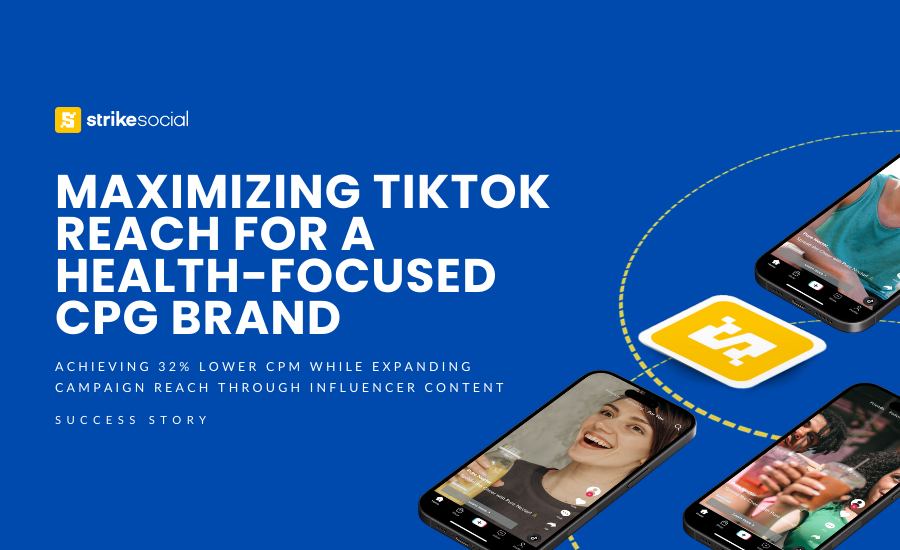
A strategic holiday activation helped a health beverage brand grow TikTok reach while staying aligned on costs. Influencer-led creatives played a central role, delivering authentic storytelling that resonated with viewers and increased engagement.
Performance insights guided creative prioritization, ensuring high-retention videos received greater investment. Combined with pacing and bidding refinements, this approach delivered up to 32% better CPM efficiency compared to the client’s benchmark.
Choosing the Right Posting Method for Your Influencer Marketing Plan
To execute a successful influencer marketing plan, brands need to understand the technical posting options available. Each method offers different levels of visibility and control, allowing you to tailor your influencers in advertising approach to specific business objectives.
1. Dark Posting
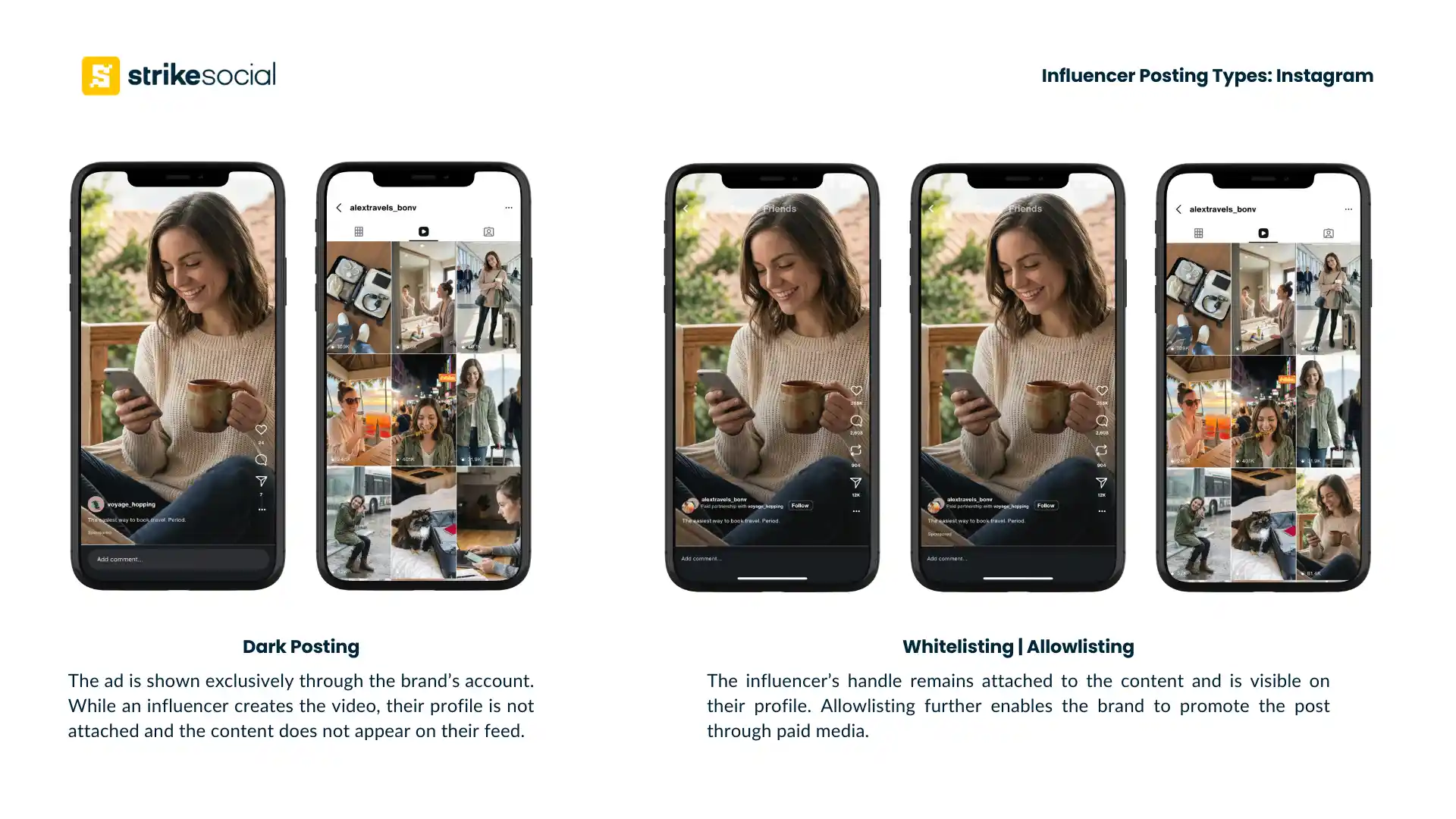
Dark posting involves running ads from the influencer’s handle that never appear on their organic feed or profile grid.
- This method is ideal for performance testing. You can A/B test multiple headlines or Call-to-Action (CTA) variations without cluttering either your or the influencer’s profile. Dark posting is particularly effective for an influencer marketing plan, as it allows ads to remain native while driving measurable, immediate action.
- Limitation: Apart from the ads themselves, you won’t reach the influencer’s organic audience or visitors to their profile, making paid ads the primary driver of visibility.
2. Whitelisting
Influencer whitelisting traditionally refers to granting brands advertising permissions on a creator’s account.
- While still widely used in influencer networks, it is increasingly seen as a legacy approach. Whitelisting represents the “access” phase: securing permissions to run influencer ads on platforms like Instagram or Facebook. However, it often implies a static relationship, such as simply appearing as a paid or sponsored partnership, rather than a dynamic, scalable ad.
3. Allowlisting
Allowlisting is the modern, industry-standard approach, representing the deepest level of influencer-brand collaboration.
It goes beyond permission, fully integrating the influencer’s ad account with the brand’s media buying infrastructure. Allowlisting utilizes the social proof of the post appearing on the creator’s profile while granting brands control to:
- Edit texts and optimize content
- Create Lookalike Audiences from the influencer’s engaged followers
- Access shared pixel data for precise attribution
This transforms the influencer from a simple promoter into a fully integrated media channel, delivering scale with engagement.
The posting method should align with your influencer marketing plan agreement. Any changes must be clearly communicated to set expectations, and both parties will benefit from improved campaign performance.
Bridging Influencer Intent with Brand and Campaign Objectives
Apart from the posting types explained above, there must be further bridges to establish a link between the brand and the influencer. There must be a synergy between how you and the influencer would like to promote a particular product or service to bring out the best results.
Understanding the Creator’s Calendar
How do influencers really plan their content? Most successful creators don’t post at random. They plan their content weeks, sometimes months, in advance to maintain a specific “vibe” and engagement cadence.
If a brand ignores this and forces a paid boost at a time that conflicts with the creator’s organic schedule, the ad can feel jarring or intrusive. By aligning your campaign flight with the influencer’s organic cadence, you create a native experience where the ad naturally complements the creator’s content.
Maintaining Authenticity
Why does lo-fi, authentic creator content often outperform high-production brand assets? It comes down to intent. Influencers plan content to build connections; brands plan content to drive conversions.
When your paid media strategy aligns with the influencer’s organic planning:
- Ads feel seamless, native, and credible
- The influencer’s authenticity acts as the hook
- Paid ads amplify reach to achieve campaign objectives
Engineering Guaranteed Outcomes with Paid Media
Once your influencer marketing plan is aligned with their posting behavior and access permissions are granted, paid media becomes the engine that drives results. At this stage, the plan transitions from a creative partnership into smart campaign activation.
A. Precision Targeting
Organic posts are confined to a creator’s existing followers. Paid ads allow you to expand beyond the fan base. By targeting lookalike audiences based on the influencer’s top fans, brands can reach thousands of potential customers who share the behaviors and interests of engaged followers, many of whom may not yet be aware of your brand.
This approach extends campaigns from retention and into acquisition, enhancing the results of your influencer marketing plan.
Driving Meta Performance with Influencer-Led Media
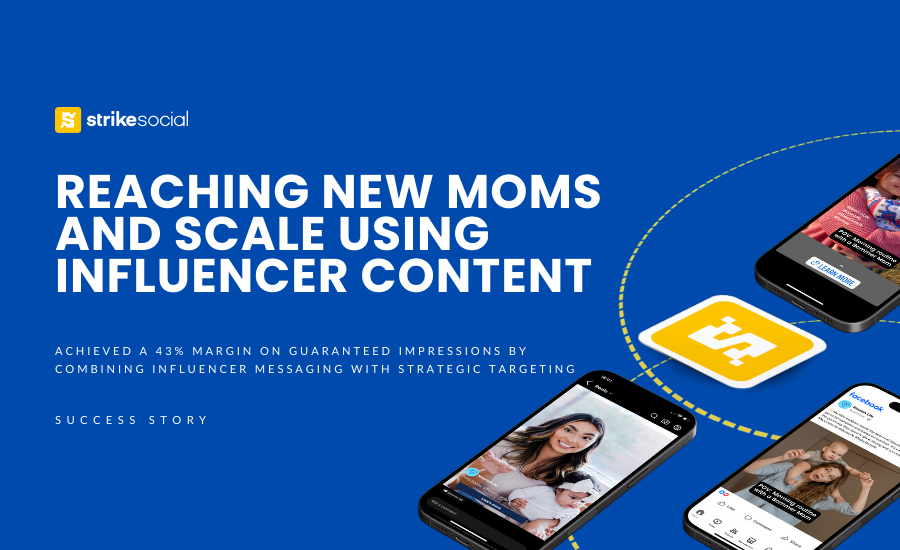
Operating within strict advertising guidelines, a pharmaceutical advertiser needed a smarter way to grow on Meta. Strike Social delivered that advantage by combining creator storytelling with advanced audience segmentation, enabling the campaign to reach the right parents at the right time.
This multi-layered strategy not only expanded reach but also produced CPMs that were 43% more efficient than expected, proving that performance and compliance can scale together.
B. Placement & Network Controls
Utilizing automatic placements can be a straightforward switch for your influencer marketing plan. However, if your historical data indicates that specific placements, such as Reels or Feed ads, drive the highest engagement for your product category, you should allocate your spend to those high-performing inventories.
Play to your strengths rather than rolling the dice aimlessly. This prevents your budget from being wasted on low-quality placements where the influencer’s creative might not translate well.
C. Bid Strategies & Cost Controls
Protecting your bottom line requires disciplined bid management. Whether using Cost Caps to achieve a specific CPA (Cost Per Acquisition) or “Lowest Cost” bids for maximum reach during peak periods, campaigns must employ smart campaign pacing and realistic bid optimizations.
Quick tip: Testing bids with Advantage Campaign Budget helps identify realistic benchmarks for winning auctions without guesswork. Partnering with a trusted Meta ad agency provides expert insights into campaign optimization strategies, ensuring your paid media amplifies your influencer efforts efficiently.
FAQs: Integrating Influencer Marketing Plan with Paid Ads
A modern influencer marketing plan requires two parallel tracks:
• a content track (talent selection and creative brief), and
• a distribution track (paid media budget and targeting).
Both must be defined before the campaign launches to ensure the creative is launch-ready.
Ads provide three things organic posts cannot:
• guaranteed reach,
• frequency control, and
• precise audience targeting.
These factors make sure your influencer ad content is seen by the people most likely to convert, multiple times.
Paid media allows brands to layer niche interests, such as “Sustainable Fashion” or “Vegan Parenting”, on top of influencer content. This helps your ads reach the most relevant users across platforms like TikTok, Meta, and YouTube.
Additionally, lookalike audiences built from the influencer’s engaged community provide an extension of your audience, helping you reach new customers efficiently while maximizing your influencer marketing plan.
Smart Influencer Marketing for Brands this 2026
The standard for an effective influencer marketing plan in 2026 is clear: creators provide the engine, but paid media is the fuel. Relying solely on organic reach in an era of declining visibility is no longer enough to drive the measurable growth you are seeking.
By bridging the gap between creator intent and brand objectives, and supporting campaigns with precise targeting, placement, and bidding strategies, brands can make sure their influencer campaigns deliver results that hit the mark.
Take action today. Contact Strike Social and discover how we convert influencer content into high-performing paid media.

Article by
Lee Baler, Strike Social’s VP of Sales & Strategy
Lee leads global strategy, helping clients and agencies maximize YouTube and paid social performance. Constantly tracking industry trends, he translates insights into strategies that help brands stay competitive and achieve sustained profitability.


